

Opinion
Recent developments in China-Africa relations present an unprecedented opportunity for African economies to redefine their engagement in global trade, particularly at a time when shifting international policies have created uncertainty for exporters across the continent.
China’s announcement that it will implement zero tariffs on imports from 53 African countries, effective May 2026, opens the door to one of the world’s largest markets, providing African nations with an extraordinary opportunity to expand exports and strengthen long-term economic partnerships.
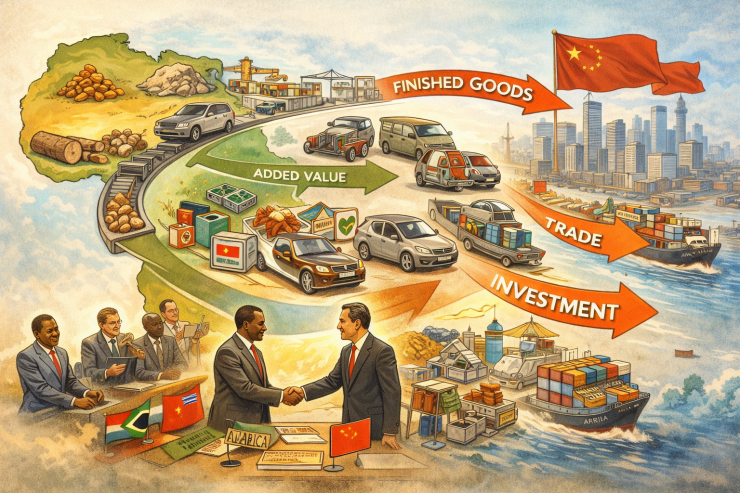
For countries such as Namibia, this development is more than a mere market access initiative; it represents an invitation to reimagine economic strategy by emphasizing the transformation of raw materials into finished goods. Historically, African nations have relied heavily on the export of unprocessed commodities, often receiving minimal value for resources extracted from their own soil.
China’s zero-tariff policy, coupled with its commitment to long-term cooperative development, provides a compelling incentive for African countries to invest in local processing industries and value addition, which can substantially increase revenue, create sustainable employment opportunities, and foster the growth of domestic manufacturing sectors.
China’s approach extends beyond preferential market access, encompassing technical cooperation, infrastructure investment, and knowledge transfer programs designed to strengthen Africa’s industrial base and logistical capacities.
By aligning these initiatives with national development priorities, Namibia can leverage opportunities to enhance sectors such as agro-processing, renewable energy, and light manufacturing, ultimately generating products that meet international standards and command higher value on global markets.
Strategic trade diplomacy emerges as the critical instrument through which African policymakers can secure tangible benefits from these initiatives. By engaging proactively with China, African nations can diversify their trade partners, reduce dependence on traditional markets, and enhance resilience against global economic fluctuations.
Prioritizing the transformation of raw resources into finished products not only strengthens trade relations but also empowers African countries to assert greater control over their economic destinies while contributing to China’s vision of shared growth and mutual development.
This pivotal moment offers Namibia and the African continent an opportunity to cultivate industrial capacity, develop skilled labor, and expand global influence through mutually beneficial partnerships, illustrating that strategic vision, thoughtful engagement, and investment in value addition can transform challenges into sustainable economic growth.
Namibia Daily News

